Skip Hire in Barnet

Skip hire in Barnet gives households, trades and property managers a practical way to clear bulky waste without overcomplicating the job. Whether you are tackling a strip-out, a refurbishment, a garden clearance or general mixed rubbish, the main aim is to match the container to the waste stream and the space available on site. Our service focuses on straightforward collection arrangements, sensible skip size choices and waste handling that supports tidy, controlled removal.
We work with customers who need a simple route from waste piling up to waste being taken away. That usually means looking at what needs to go, how much there is, where the skip can sit, and whether the work is better suited to a standard skip, a wait and load skip hire arrangement or another collection method. If you are planning a larger clearance, the right option can save time and help keep access manageable from the start.
Need a quote? Start by choosing the type of waste, the rough amount and the site access. Then compare the available options, check any permit needs and make an enquiry when you are ready.
Choosing the right skip for the job
Most enquiries begin with the same question: what size and style of skip will make the work easier without leaving too much unused capacity? A domestic clear-out may only need a modest container, while a builder working through rubble, timber and packaging will often need a different solution. Our skip sizes and prices page is a useful place to compare the main options before you decide.
For mixed household and light trade loads, the aim is to choose a skip that takes the material safely and efficiently. Heavier waste such as soil, concrete and broken masonry needs particular attention because weight limits matter as much as volume. That is why we look at the type of waste first, not just the amount. It helps to avoid overfilling and keeps the collection process simpler.
Ask for guidance early if you are unsure whether the load is mostly light, mixed or dense. A careful description of the waste usually makes it easier to narrow the choice and avoid paying for more capacity than you need.
Domestic clear-outs and household waste
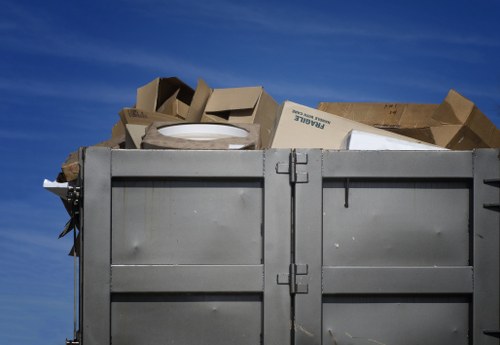
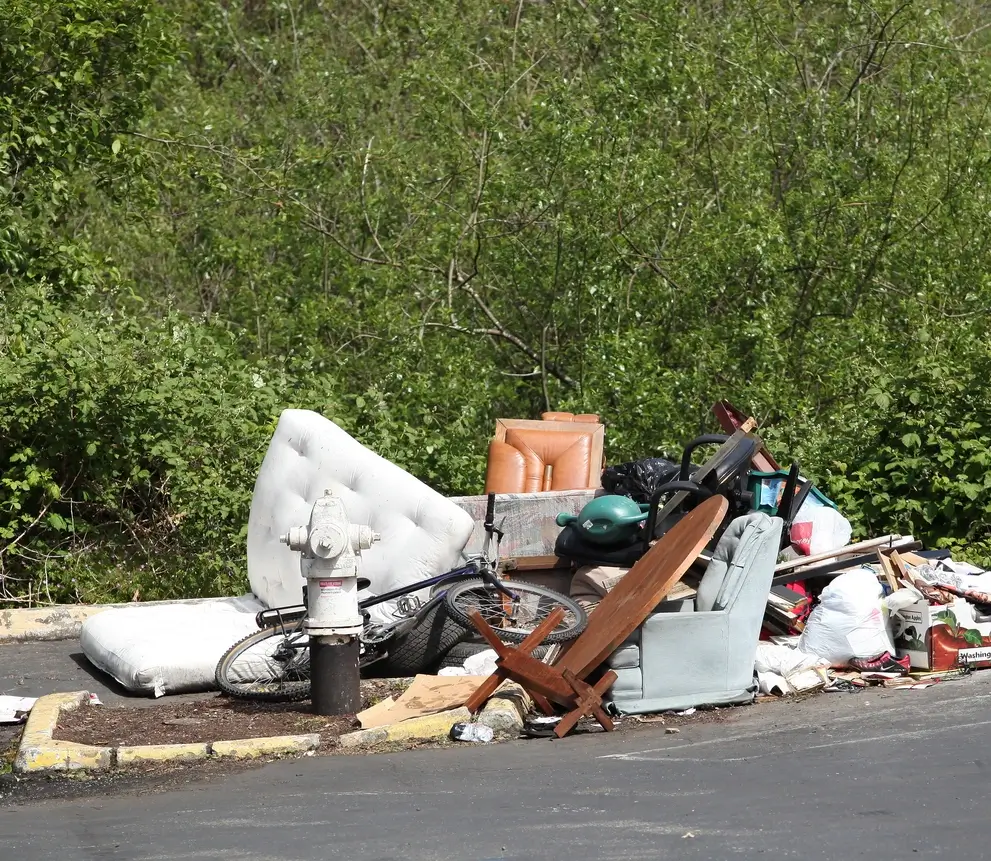
Domestic skip hire is often used for spring clears, moving house, replacing worn fittings or dealing with years of accumulated clutter. In these situations, a skip can be useful for furniture, broken household items, bagged waste and general non-hazardous debris. Our domestic skip hire service is arranged for this kind of everyday clearance work, where a simple collection plan matters more than a complicated setup.
For items that are awkward to carry or sort, a skip can reduce repeated trips to the tip and keep waste together in one place. If the job includes loft contents, garage clutter or mixed household rubbish, related options such as garage and loft clearance and house clearance may also be relevant. The best choice depends on whether you want to load the waste yourself or prefer a more hands-off arrangement.
Where the load includes furniture, appliances or other bulky objects, it is sensible to separate out anything that needs different handling. If you are planning the work in stages, list the main items first and then add smaller debris underneath. That makes the loading order easier to manage and helps prevent the container from filling unevenly.
Trade, building and renovation waste
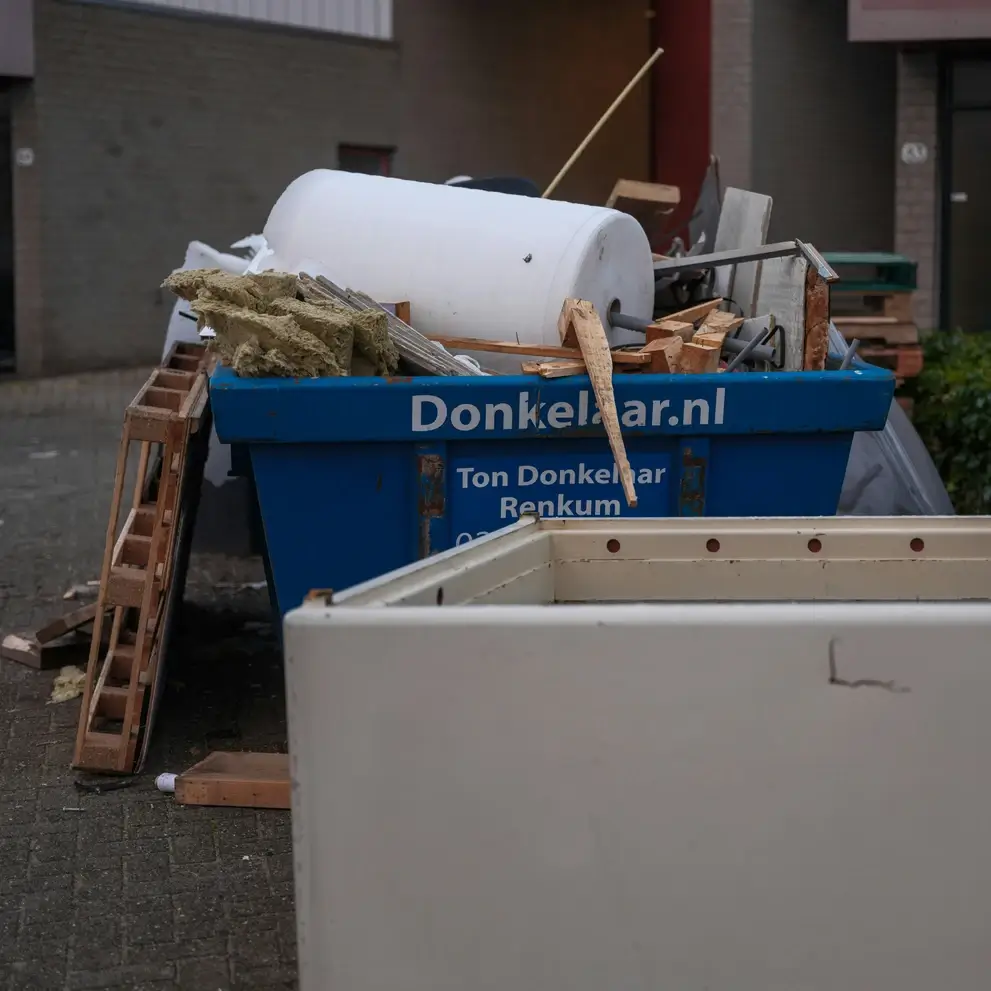
Builders and refurbishment teams often need a reliable way to deal with rubble, plasterboard, packaging, timber offcuts and general construction debris. Our builders skip hire and construction waste clearance pages cover the sort of waste commonly produced on renovation and fit-out projects. These services are useful where the material is too bulky for ordinary bins and needs controlled removal from the working area.
Project waste is usually best managed in the sequence it is generated. Demolition strips, room refits and structural alterations can produce several types of waste at once, so separation matters. For more intensive work, the related demolition waste removal and builders waste removal options may suit jobs that create a high volume of mixed material. That can include broken fixtures, packaging, wood, tiles and inert waste in one clear-up cycle.
When planning trade waste removal, it helps to think in practical terms: how quickly the rubbish will build up, whether access is shared, and whether the container will sit close to the work zone. Good loading discipline keeps the site easier to work in, especially when a project runs over several days or involves different trades using the same area.
Garden, outdoor and site waste

Outdoor jobs often produce a wide mix of waste, from soil and turf to branches, fences, slabs and broken sheds. Our garden waste removal service supports this type of work when you need a clear way to remove the material after cutting, digging or dismantling. It can be a straightforward option for seasonal tidy-ups, landscaping and larger garden refits.
Some outdoor projects involve heavier material than expected. Old paving, hard landscaping and broken concrete can be more demanding than light green waste, so the waste mix needs checking before you choose a method. If the job is part of a broader clearance, a site clearance or muck away services approach may be more appropriate for dense or mixed loads arising from groundworks and landscaping changes.
On outside jobs, access and loading space can matter just as much as the waste itself. If the area is tight, uneven or shared with neighbours, it is worth considering how items will be moved to the container. Planning the route first can save avoidable lifting and reduce delays while the work is under way.
Commercial and office clearances
Businesses often need a dependable removal option for office furniture, packaging, archive waste and general refurbishment debris. Our commercial skip hire and office clearance pages are suited to commercial settings where the aim is to clear waste with minimal disruption to day-to-day activity. The work may involve desks, chairs, shelving, old fixtures, mixed rubbish or materials left after a move.
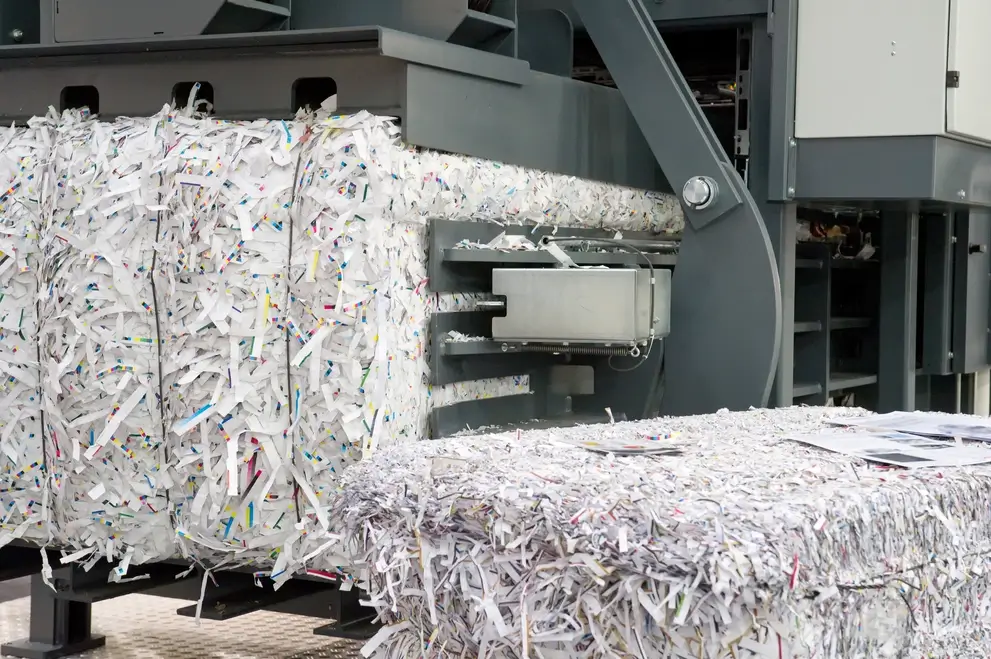
For workplaces handling confidential material, ordinary waste removal is not always enough. In those cases, a dedicated service such as confidential shredding is more suitable than placing sensitive paper waste in a general container. Other commercial items may need separate treatment too, particularly fridges, screens or appliances that cannot simply go into mixed waste streams.
Commercial clearances are often easier when the waste is grouped by type before collection day. That can mean keeping reusable items aside, bundling cardboard separately and identifying anything that needs specialist handling. A clear plan makes it simpler to match the removal method to the actual task rather than trying to adapt at the last minute.
Access, permits and loading arrangements
Where a skip can sit on private land, the process is usually straightforward. If it needs to go on a public road or other shared space, permits may be required, and the arrangement should be checked before the skip is placed. Our skip permits and skip hire permits pages provide the relevant route for customers who need to understand this part of the job.
Some addresses are better suited to alternatives that avoid a long stationary container. If access is tight, parking is limited or the waste needs to go quickly, a grab hire services or grab lorry hire option may be more practical. These methods can be useful for material that is already piled up and ready to collect, especially where manual loading space is restricted.
Before you decide, think about how vehicles will reach the site, where the waste is likely to be stacked and whether anything blocks the loading point. Simple preparation often leads to a smoother collection, because the chosen method can then match the site rather than competing with it.
Waste types, restrictions and sorting

Different waste streams need different treatment, and that affects what should go into a skip in the first place. Our what can go in a skip page is a useful reference for the most common material categories. In general, mixed non-hazardous waste, timber, soil, packaging and household debris are typical, while restricted or specialist items need separate consideration.
Some items are better managed through a dedicated collection route rather than a general skip. For example, white goods may be handled through fridge and appliance removal, while upholstered furniture may be better suited to mattress and sofa disposal. Hazardous or potentially harmful waste should always be checked carefully before anything is loaded, because unsuitable items can change how the whole collection is handled.
A tidy waste mix is easier to assess than a vague one. If you are uncertain about the contents, make a short list of the main items, note any heavy material and separate anything that looks unusual. That makes it easier to choose between a standard skip, a specialist disposal route or a removal service built for awkward loads.
Prices, quoting and service choices
Cost is usually shaped by skip size, waste type, access arrangements and whether a permit is needed. A straightforward domestic clear-out is generally different from a dense builder’s load or a commercial clearance with limited site access. For a closer look at how pricing is presented, see our pricing and quotes page alongside the main skip options, so you can compare the likely route before you enquire.
There are also situations where a skip is not the only sensible answer. If the waste is ready in a pile, or if the site does not suit a container left in place, a rubbish removal or man and van style service may be more appropriate. In contrast, if you want a container on site while the work progresses, a conventional skip can be the cleaner fit. The right choice depends on the task rather than on a fixed rule.
For a clearer quotation request, give the broad waste type, the likely volume and any access limits that may affect collection. Short, accurate details are usually more useful than long explanations, because they let the service be matched more precisely to the job.
About Barnet
Barnet is a large area in north London with a long history that reaches from its medieval market origins to its present-day mix of town centres, residential streets and green open spaces. The name is commonly associated with Chipping Barnet, also known as High Barnet, where the old coaching and market-town character remains visible in the historic core around the High Street. The wider district includes a range of neighbourhoods and landscapes, from more built-up urban stretches to quieter pockets close to parks and open land. Barnet has been shaped over time by transport links, suburban development and its position on the edge of Greater London, which has given it a layered character rather than a single uniform centre.
Further options for larger or specialist loads

Some clearances call for a more specific approach than standard skip hire. A project that produces heavy spoil may be better handled through construction waste disposal, while bulkier clearances can fit well with garage and loft clearance or house clearance depending on whether the waste is domestic, trade or mixed. The point is to choose the route that suits the material, the access and the pace of the work.
For customers dealing with a larger amount of waste over a shorter period, same-day or on-demand collection may be worth considering. Our same-day skip hire and book online pages offer useful next steps where a quicker arrangement is needed. If you are unsure whether the job needs a skip, a grab vehicle or a more hands-on collection, the surrounding service pages can help you compare the practical differences before you decide.
Ready to move ahead? Review the most relevant service, check access and choose the easiest route for the waste you have. Then ask for a quotation when you are satisfied the option suits your project.